

What is maintenance in property management?
Ask a landlord what keeps a rental running smoothly and the answer almost always starts with maintenance. In property management, the term covers every inspection, repair and upgrade that keeps a building safe and usable for the people inside it. Owners and agents handling property maintenance Dubai demands face extra pressure from heat, humidity and dust, so a clear routine matters even more.
This article explains what maintenance means in practice. It covers the main types of work, the building systems that need attention, the planning habits that save money and the way to choose a reliable partner. Each part builds on the one before so readers can follow the full picture from definition to action.
What Maintenance Means
Maintenance in property management means the ongoing work that protects a building’s condition, safety and value. It includes scheduled inspections, small repairs, major fixes and planned upgrades. A manager treats it as a daily responsibility rather than a one-off task. That mindset matters since a leaking pipe or a failing AC unit rarely stays small for long.
Why It Matters
Good maintenance protects three things at once:
- Safety: faulty wiring, damaged stairs and water leaks put occupants at risk.
- Value: well-kept finishes and sound structures hold rental and resale prices.
- Tenant satisfaction: quick repairs keep tenants in place and cut the gaps between lets.
Each benefit feeds the next, so owners who keep up with repairs usually see steadier income.
Who Carries Responsibility
Responsibility depends on the lease and the building type. Dubai tenancy rules usually place major repairs on the landlord while minor upkeep often falls to the tenant when the contract says so. In apartment towers, the owners association looks after common areas and the unit owner covers everything inside the flat. A clear written split between these parties avoids disputes later.
Types of Maintenance
Property managers sort work into three groups. Each group follows a different timeline and budget.
Preventive Maintenance
Preventive work happens on a schedule before anything fails. Typical tasks include AC servicing before summer, drain cleaning, checks on pipework and repainting worn exterior walls. This type costs the least per task and prevents the most expensive damage. A calendar that lists each task by month keeps the routine on track.
Corrective Maintenance
Corrective work follows a fault report. A tenant could complain about a dripping tap or may be a door that no longer closes. That is when the manager arranges a repair. Speed matters here since small defects spread. A cracked tile left alone lets water reach the layer below and a minor repair turns into a floor replacement.
Emergency Maintenance
Emergency work covers problems that threaten safety or cause fast damage. Burst pipes, flooding and a total cooling failure in peak summer all fall into this group. Managers need a contact who answers at any hour since these events rarely wait for office time.
Systems and Trades Covered
A typical building depends on several systems and each one needs its own kind of care. Professional home maintenance services usually group them under a few trades.
Cooling and Plumbing
AC units run for most of the year in Dubai and need regular filter cleaning and coil checks. Plumbing covers taps, pipes, toilets and drains. Specialist plumbers use CCTV surveying to inspect drain lines with a small camera. That method finds blockages and cracks without breaking walls or floors.
Electrical and Carpentry
General maintenance teams handle electrical faults and fittings. Carpenters then repair or fit the timber elements:
- Doors and floors
- Skirting boards and staircases
- Fencing, decking, joists and fascias
Humidity swells timber and heat shrinks it, so these items need frequent checks in a Dubai climate.
Surfaces and Waterproofing
Decorators handle painting, plastering, tiling and wallpapering. Fresh paint and sound plaster shield walls from sun and moisture. Waterproofing covers roof assessments, guttering and leak repairs. Older buildings and those with slow leaks gain the most from a roofing check.
Inspection Schedules
A routine inspection catches faults before tenants report them. Managers usually inspect at move-in and move-out and add seasonal checks in between. A professional property assessment goes a step further. It lists what needs fixing now and what can wait, and it gives the owner advice on the best course of action.
Budget Planning
Maintenance costs are easier to manage when owners plan for them. A common rule of thumb is to set aside around one percent of a property’s value each year, though older buildings may need more. Splitting the budget between planned servicing and a reserve for sudden repairs stops one bad month from draining the account.
Logs and Tenant Requests
Every request deserves a written record. A useful log holds the date, the fault, the technician, the work done and the cost. Photos before and after the repair add proof. Over time, the log shows patterns such as the same bathroom leaking twice a year. That pattern tells the manager whether a repair will hold or whether a larger fix makes more sense.
Choosing a Maintenance Partner
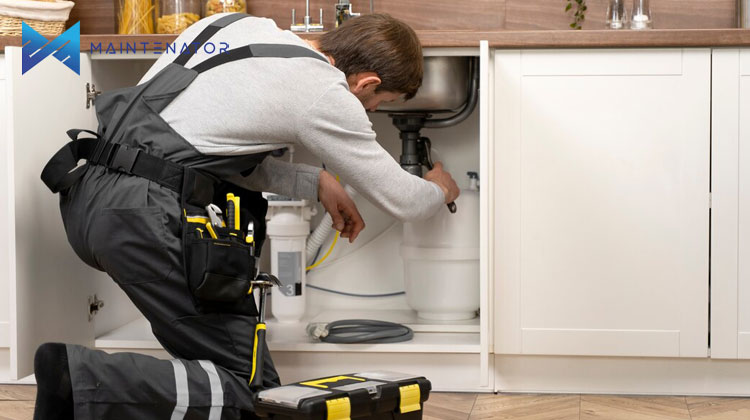
When looking for a reliable maintenance partner, it makes sense to create a checklist of considerations. The key is to search for a registered maintenance partner who continues to employ more plumbers, decorators, carpenters, electricians, AC technicians and other professionals to cover all over Dubai. Some essential points to consider include-
Experience and Accreditation
Look for a team of experienced and accredited technicians. Accreditation shows that the workers have met recognised standards in their trade. Word-of-mouth recommendations and value for money matter too, since a cheap repair that fails in three months costs more in the end.
Coverage and Response
Managing separate contractors for each trade takes time. A provider of home maintenance services that covers plumbing, AC, painting, carpentry and waterproofing under one roof cuts that workload. Round-the-clock availability matters just as much. Emergencies in Dubai often hit during summer nights when cooling fails or a pipe bursts.
Knowing When to Refurbish
Some buildings reach a stage where repeated repairs cost more than a refresh. Refurbishment brings decorating, plumbing and repairs together under one plan. Good providers work within the owner’s budget and timeframe and handle both residential and commercial properties. An assessment first shows whether repair or refurbishment makes better financial sense.
Conclusion
Maintenance in property management works best as a steady habit rather than a reaction to trouble. Preventive checks, quick repairs and a reliable emergency contact each protect the building in a different way. Owners handling property maintenanceDubai needs gain the most from a written schedule, a clear budget and a partner who covers every trade.
Maintenator offers plumbing, AC maintenance, painting and decorating, carpentry, waterproofing, general maintenance and refurbishment for residential and commercial properties. Its accredited technicians run property assessments and answer emergency calls around the clock.
Author Bio
Through this post, the author aims to show property owners and managers that maintenance is a planned process rather than a reaction to breakdowns. The expert wants readers to leave with a clear definition, a working routine as well as the confidence to choose a reliable partner for their building.
FAQs
How does maintenance differ from repair in property management?
Maintenance covers scheduled upkeep and inspections that prevent faults. Repair fixes a specific fault that already exists. Managers need both but preventive work costs far less over time.
How often should a landlord inspect a rental?
Most landlords inspect at the start and end of a tenancy and add one or two checks during the year. Local tenancy rules and notice periods apply, so landlords should confirm the details first.
What should a maintenance log contain?
Each entry should list the date, the reported fault, the technician, the work completed and the cost. Before and after photos strengthen the record and help settle deposit disputes.
Who pays for AC servicing in a Dubai rental?
The contract decides. Many agreements give routine servicing to the tenant and major repairs to the landlord. A clear clause avoids arguments in the middle of summer.
When should an owner choose refurbishment over repairs? Refurbishment makes sense when the same areas fail every year or finishes look worn across several rooms. An assessment that compares repair costs with one planned upgrade shows the better choice.